

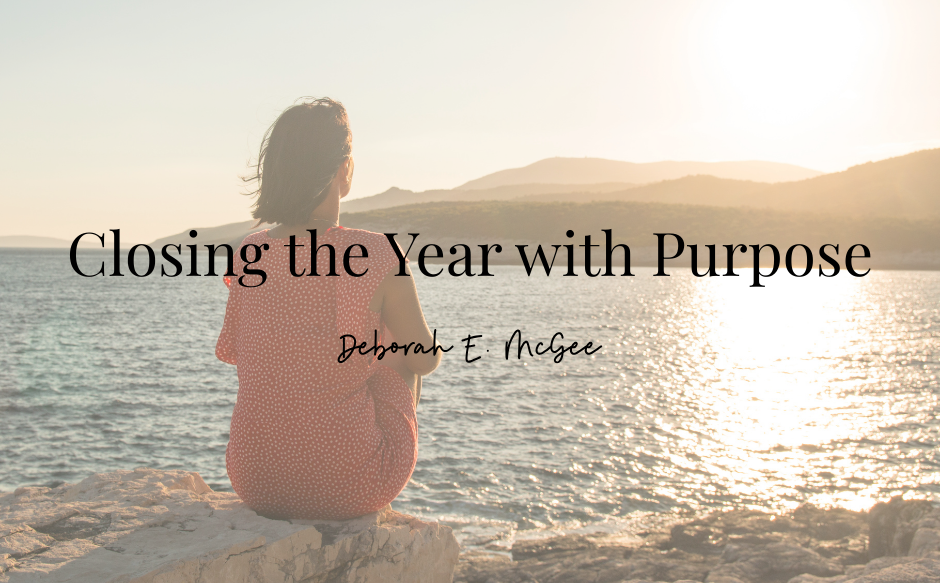
Today is the final day of the year—a threshold moment that holds both weight and promise. It is the space between what has been and what is about to begin. This day carries a unique paradox: closure and anticipation, reflection and resolve, stillness and momentum. In global business, this moment is especially pronounced. Teams around the world are wrapping up deliverables, closing books, preparing for rotations and relocations, and setting their sights on what comes next. Yet beneath the operational urgency lies something far more human: people seeking clarity, connection, recognition, and reassurance as they cross into a new chapter.
After more than 30 years of working across cultures, continents, and industries—and through my own lived experience as a military spouse navigating constant transition—I have learned that human-centered leadership is not optional. It is the anchor that steadies organizations when change, pressure, or uncertainty begins to test the strength of a team. The last day of the year has a way of revealing where that foundation is strong—and where it needs care.
Leaders often experience this moment through an operational lens. Deadlines have been met, reviews completed, plans drafted, and strategies set in motion. All of that matters. But it is rarely what people remember. What stays with them is how their leaders showed up during moments of transition. This time of year brings emotion to the surface. Employees quietly assess their direction, families navigating relocation feel the weight of distance and change, global teams stretched across time zones experience fatigue, and leaders themselves reflect on decisions, lessons, and growth. In these moments, leadership rooted in humanity is not simply beneficial—it is transformational.
My career in global mobility reinforced this truth time and again. Relocation is one of the most significant professional transitions a person can experience. It is not just logistics, visas, or flights; it is a shift in identity. It is learning new cultures, languages, and norms while letting go of what feels familiar. Families carry the emotional weight of that transition alongside the employee. And consistently, I saw that assignment success depended far less on technical capability and far more on how supported people felt. When individuals feel seen, understood, and cared for, they thrive. When they feel isolated, even the strongest strategy falls short.
One of the greatest privileges of working with global teams is witnessing the power of informal leadership. These are the individuals who may not hold the highest title but often hold the greatest influence. They steady teams under pressure, navigate cultural nuance with grace, and create environments where people feel safe, respected, and heard. Their leadership is grounded in trust, presence, and emotional intelligence. On days like today—when reflection runs deep—their quiet influence becomes the connective tissue that carries organizations forward. Formal leadership drives structure; informal leadership sustains connection. And connection is what allows teams to enter a new year with confidence.
My own journey reinforced the value of transition in a deeply personal way. Years ago, I found myself unexpectedly without the global executive role I loved. What initially felt like loss became one of the most formative seasons of my life. That pause—what I now call a purposeful “time-out”—slowed me down long enough to gain clarity I could not access while constantly moving. It forced me to reassess who I was, what mattered most, and the kind of leader I wanted to be. That stillness laid the foundation for PZI Group and for the leadership principles I later captured in The Leadership Attitude. It taught me that clarity rarely emerges in urgency; it comes in reflection, courage, and trust that redirection can be intentional.
Today offers that same opportunity. The final day of the year is an invitation to pause before rushing ahead. It is a chance to listen—to others and to ourselves. It is a moment to acknowledge the whole person, not just the role they fill. It is a time to recognize the informal leaders who carried teams through the year and to express gratitude to those who made the journey meaningful. It is also an opportunity to recalibrate and step into the new year with purpose rather than momentum alone.
As you close out this year, I encourage you to reflect on what shaped you. Consider who influenced your growth, how you supported those around you, and what transitions may be asking for your attention. Think about how you can lead with greater empathy, presence, and intention in the year ahead. Leadership is not defined by flawless execution; it is defined by how we show up in the quiet, uncertain, and transitional moments—the ones that test not our strategies, but our character.
As we turn the page into a new year, may we do so with clarity and courage. Lead with humanity. Lead with heart. Lead with purpose. That is where true transformation begins—in organizations, in families, and within ourselves.
Wishing you reflection today and intention for the year ahead.